- custom 3D printed planters Miami
- Custom Geometric Planters for Modern Miami Interiors
- What You Can Customize in a 3D Printed Plant Pot
- Custom 3D Printed Planters in Miami: From Concept to Finished Decor
- Designing Geometric Planters That Print and Perform Well
- PLA, PETG, or ABS for a Decorative 3D Printed Pot?
- Finishes and Colors for Sculptural 3D Printed Planters
- Planters for Homes, Offices, Designers, and Commercial Spaces
- Why Work With Custom3Dmodel for Custom Decorative Product 3D Printing?
- Pricing and Lead-Time Factors for Custom Planter 3D Printing
- Frequently Asked Questions About Custom 3D Printed Planters Miami
- Request a Custom Planter Quote in Miami or for Nationwide Shipping
- Recommended Visuals, Alt Text, and Local Schema
- Popular Custom 3D Printed Planter Styles for Miami Homes and Offices
- Resources & Useful Links
custom 3D printed planters Miami
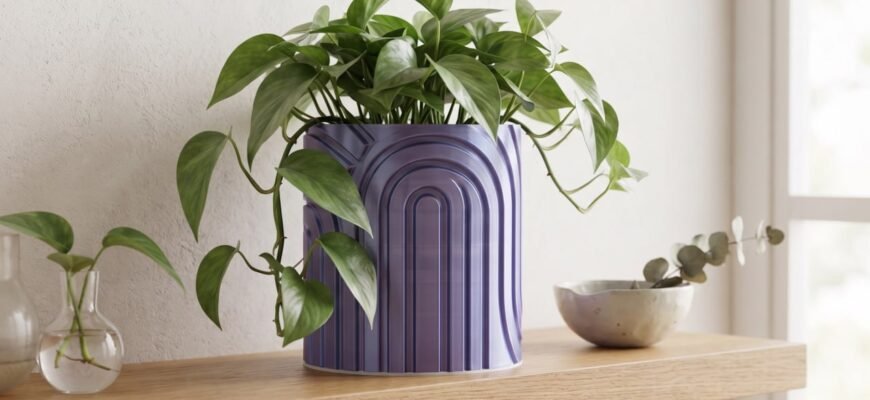
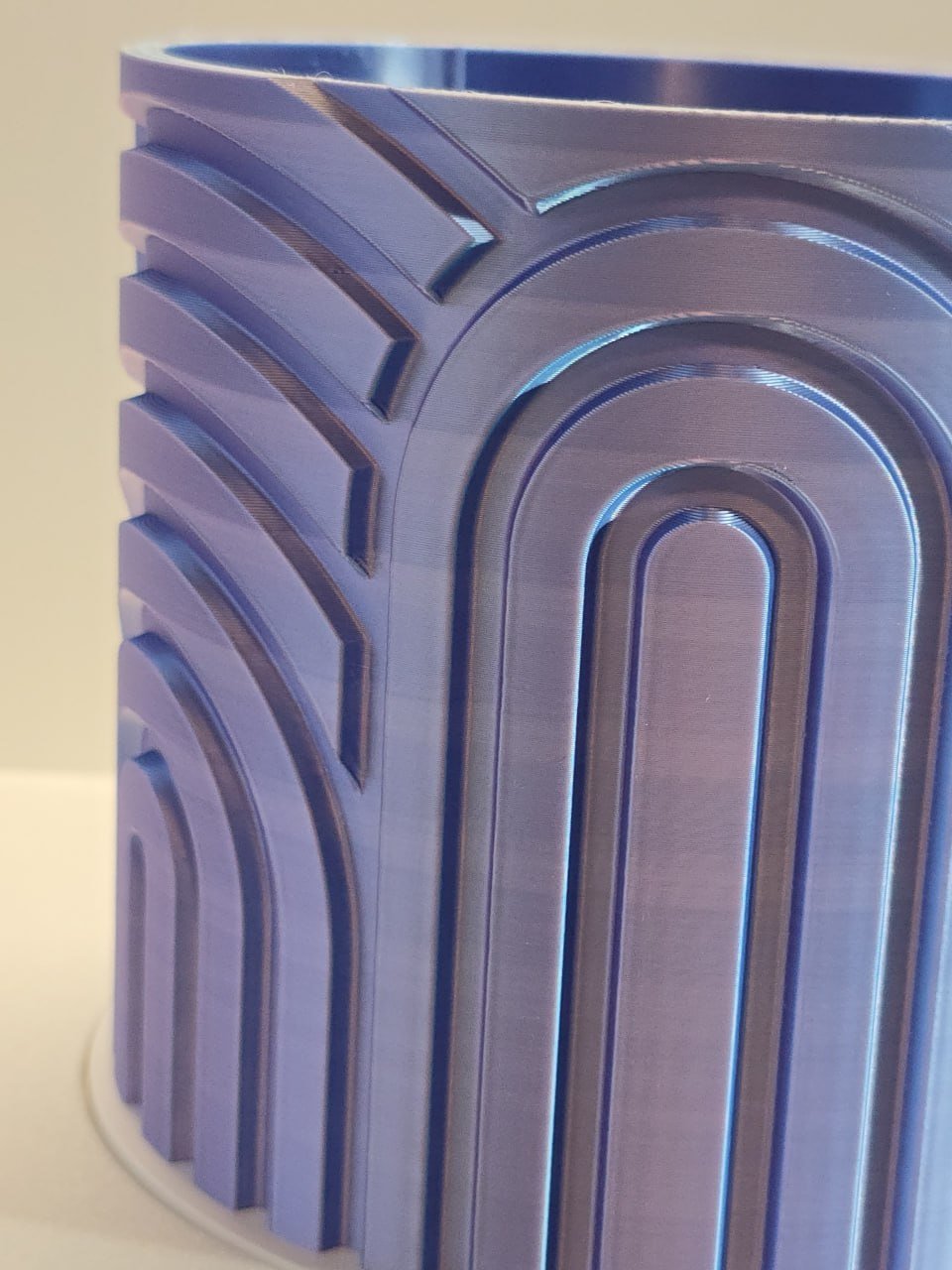
Custom3Dmodel produces custom 3D printed planters Miami clients can specify by size, color, geometry, liner fit, and finish. From a sleek purple cylindrical pot with sculptural grooves to a turquoise display piece for a reception desk, we help turn an inspiration image, sketch, logo, or existing 3D file into a functional decorative product for homes, condos, offices, retail displays, and hospitality interiors.
Custom Geometric Planters for Modern Miami Interiors
With custom 3D printed planters Miami homeowners and design teams are not limited to standard retail diameters, generic colors, or repeated surface textures. A made-to-order planter can be sized around a specific nursery pot, coordinated with a room palette, or developed as a design element that matches cabinetry, lighting, signage, or branded fixtures.
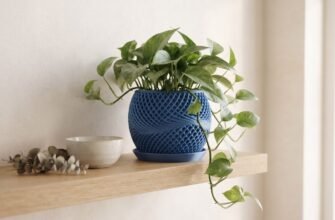
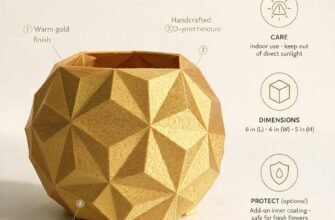
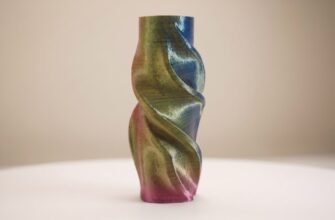
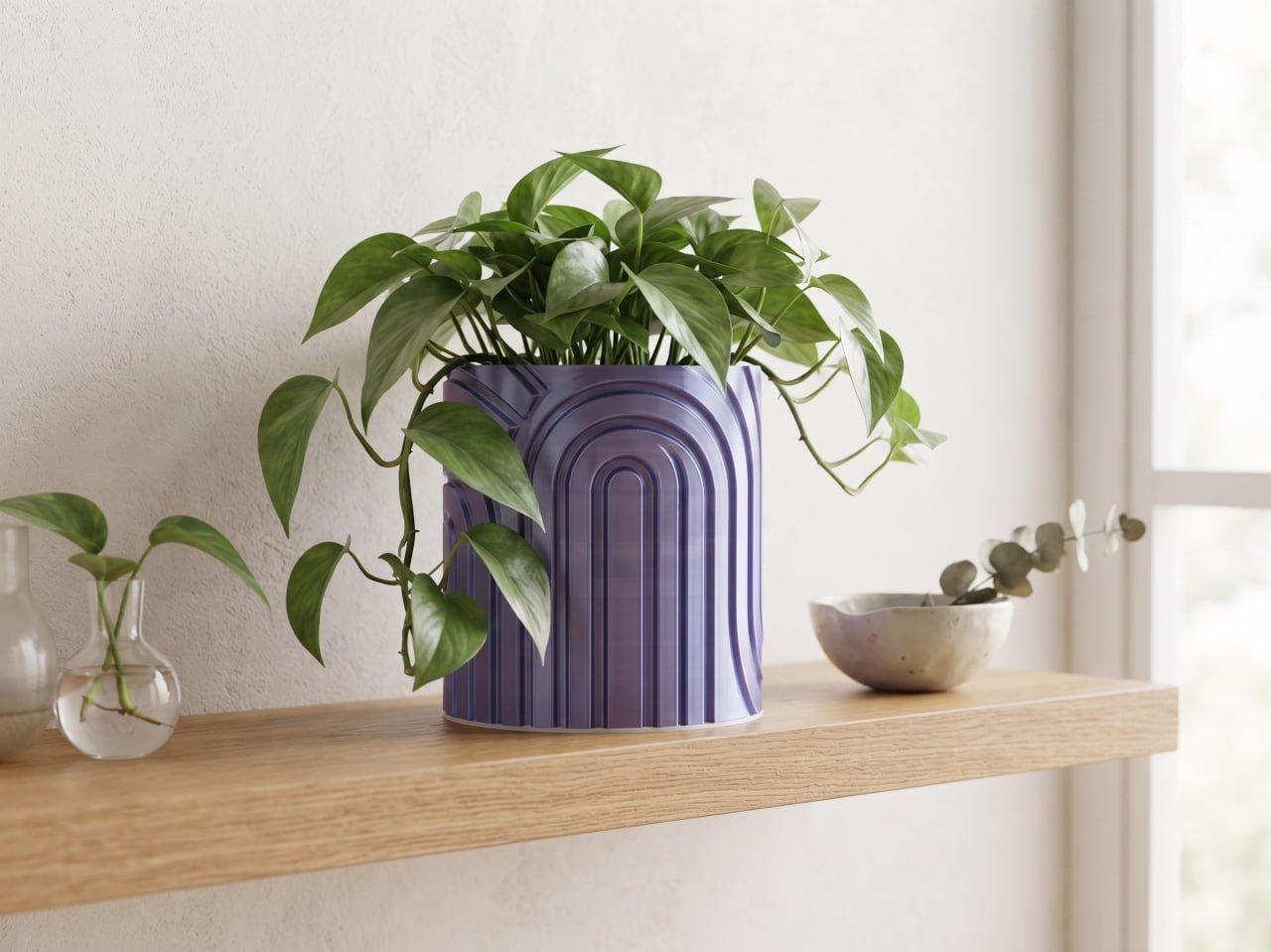
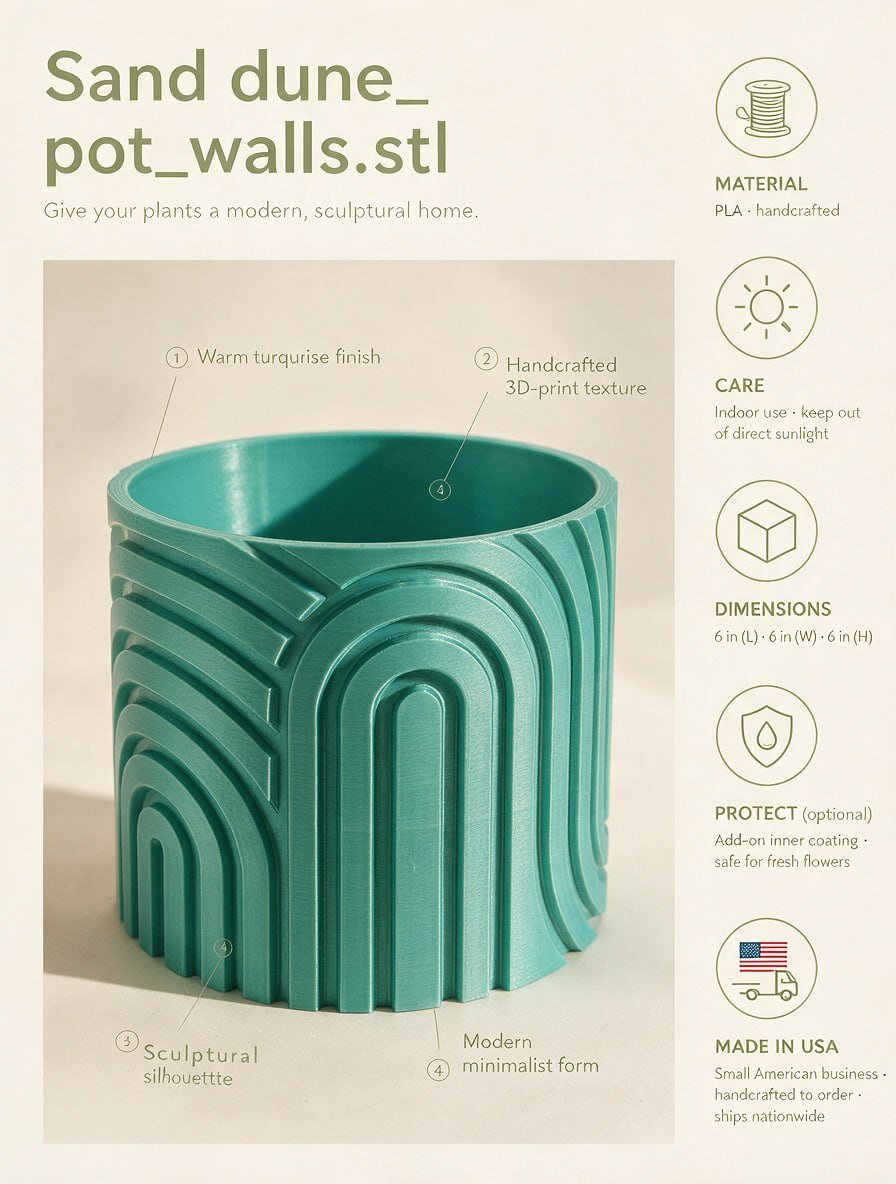
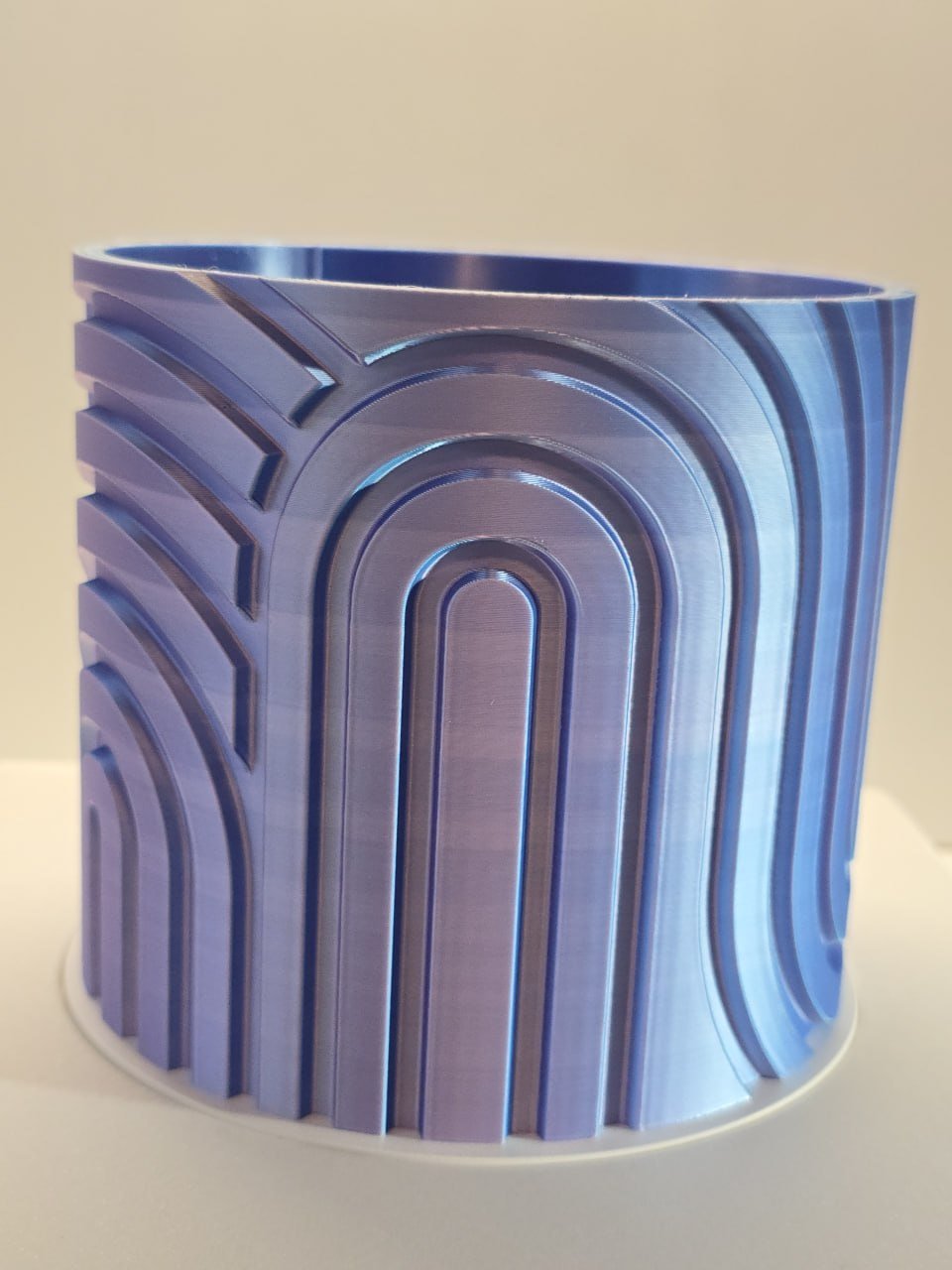
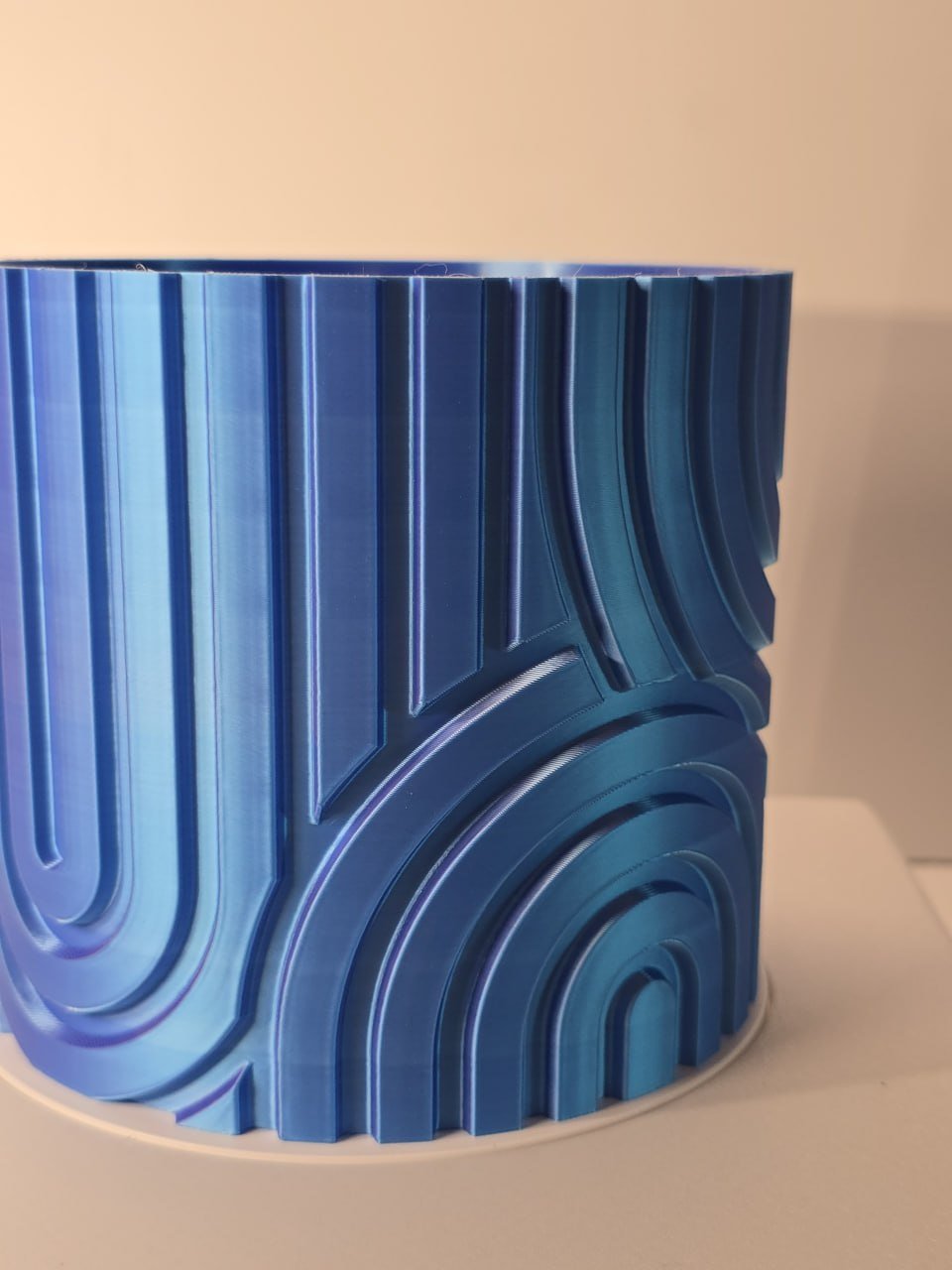
A popular direction is the decorative cylindrical planter: a clean vertical form finished in purple, turquoise, black, white, or a selected custom color. Recessed vertical grooves, embossed diamonds, faceted bands, and repeating geometric panels give the object depth under directional lighting. The result can read as a modern 3D printed planter rather than a conventional plastic pot, particularly when used with architectural foliage in a condo living room, a lobby, or a styled commercial shelf.
Custom3Dmodel supports custom indoor planter 3D printing from early concept work through FDM manufacturing and finishing review. That is useful when an architect, interior decorator, plant enthusiast, or business needs a single sculptural plant pot for a focal point or several matching pieces with controlled dimensions and repeatable visual language.
What You Can Customize in a 3D Printed Plant Pot
The most important specifications are the outside diameter, overall height, opening diameter, usable interior depth, and the dimensions of any nursery pot or removable liner. A decorative cylindrical planter may look simple from the outside, but its rim thickness, interior taper, base thickness, and liner clearance determine whether it works easily in daily use.
Customers can provide a hand sketch, reference photo, measured pot, brand asset, or a ready-made STL, STEP, or OBJ file. We can refine the model around a grooved, fluted, recessed, or embossed pattern; adjust its depth; and add a logo or monogram where the geometry allows it. For a live plant, sending the exact outer diameter and height of the nursery pot is more reliable than estimating it from a product listing.
Beyond plant pots, the same process works for cachepots, decorative holders, desk organizers, vase-style forms, lamp shades, and coordinated collections of small batch 3D printed home decor. A common practical approach is to create a family of matching forms—such as a tall floor planter, medium tabletop pot, and compact office accessory—using the same geometric motif at appropriately scaled feature sizes.
Custom 3D Printed Planters in Miami: From Concept to Finished Decor
For custom 3D printed planters Miami projects, Custom3Dmodel begins with the intended use: decorative cachepot, direct-plant container, display object, or branded commercial décor. We then review the reference concept or supplied file, establish target dimensions, check liner fit and drainage requirements, select a material, and prepare the model for FDM printing.
A photo can communicate a desired silhouette or pattern, but it is not automatically a printable file. Our modeling process creates an original manufacturable version with sensible wall thicknesses, pattern transitions, rim geometry, and a base that can print reliably. A tall pot may need a wider base or a discreet internal weighting strategy if its center of gravity will be high once a plant and liner are installed.
After print preparation, the part is produced, cleaned, inspected, and reviewed for requested finish work. Depending on the design, post-processing can include careful support removal, sanding selected surfaces, smoothing, painting, or preserving controlled layer lines as part of the additive look. Explore our custom 3D printing services for design, prototyping, and production to see how the same workflow applies to decorative and functional parts.
Upload a design file or inspiration image if you have one, or request a Miami design consultation if you need modeling support. A prototype or small-batch estimate can be prepared after the dimensions, finish, quantity, and practical requirements are defined. Pickup, delivery, shipping, consultation availability, and production timing should be confirmed for the individual order rather than assumed from a general timeline.
Designing Geometric Planters That Print and Perform Well
FDM is well suited to cylindrical forms because the pot can usually print upright, building its walls and decorative pattern layer by layer. Upright orientation keeps the rim circular and often avoids internal supports, but it makes bed adhesion and base design important. A narrow, tall object with a small contact area is more vulnerable to movement during a long print, so the base must be engineered for stability and reliable adhesion.
Wall thickness is not only a strength decision. Thin walls can telegraph infill or feel flexible when a liner is inserted; overly thick walls increase print time, material use, and cost. For decorative pieces, Custom3Dmodel evaluates wall construction alongside the intended scale, the planter’s weight, and whether it needs to withstand repeated handling. The base should resist rocking on a table while remaining visually proportional to the patterned body.
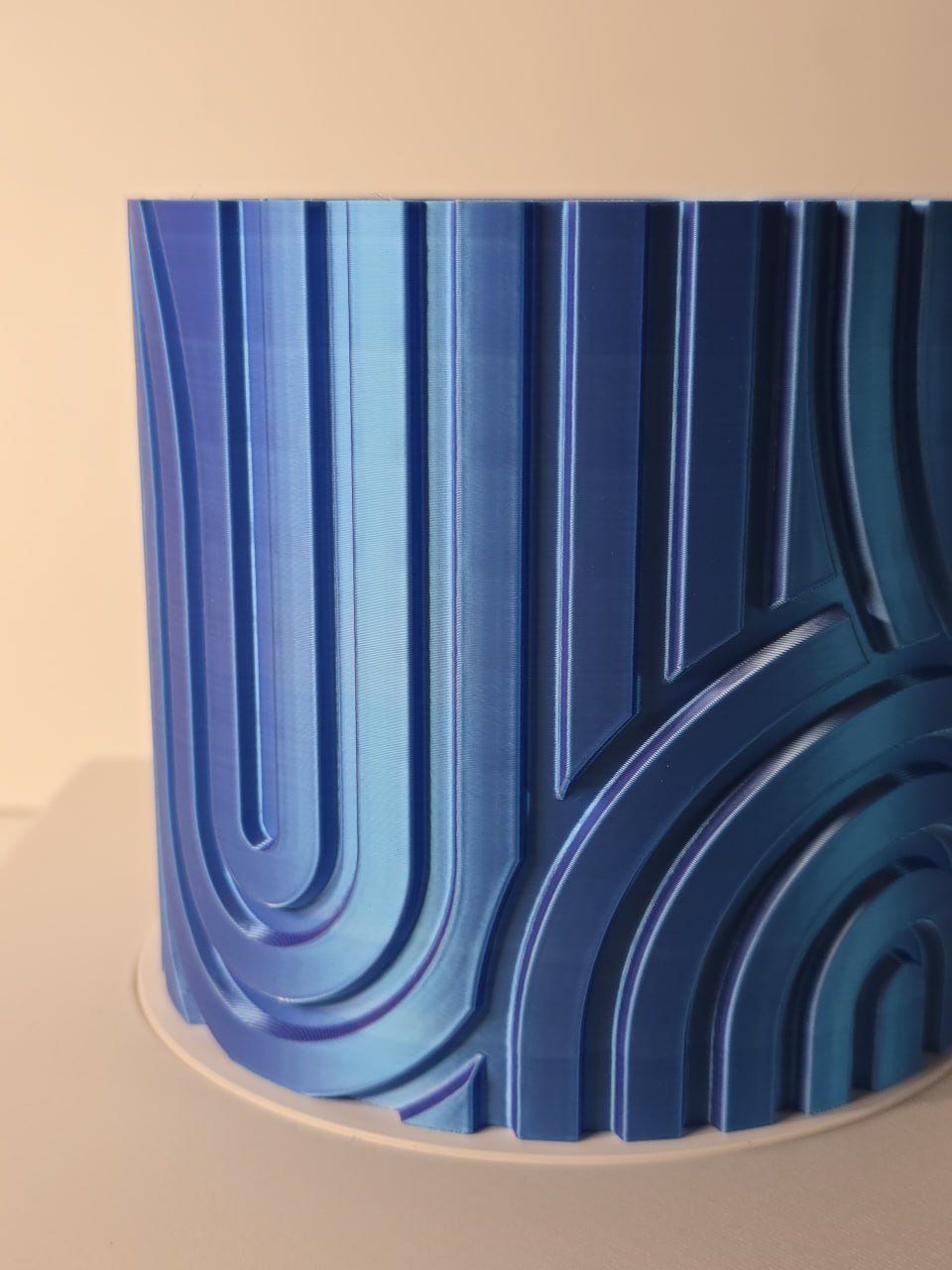
Grooves and embossed geometry also need production-aware dimensions. Shallow details can disappear under a coarse layer height or paint buildup, while sharp, closely spaced features can become difficult to clean and may create weak edges. We use enough depth, spacing, and rounded transitions for the pattern to remain readable without introducing unnecessary supports. A geometric 3D printed planter should be designed around the printing process, not merely wrapped with a decorative texture after the form is complete.
For liners and nursery pots, avoid an exact interference fit. FDM dimensions can vary slightly with material, shrinkage, orientation, and post-processing. Practical clearance makes the inner pot easier to insert, remove, and clean. Decide early whether the product is a cachepot holding a removable liner or an integrated pot with drainage holes. The latter also needs a compatible saucer and a deliberate water-management plan so runoff does not reach furniture or finished flooring.
PLA, PETG, or ABS for a Decorative 3D Printed Pot?
PLA is often the right starting material for an indoor decorative planter or cachepot. It provides broad color availability, prints crisp geometric details, and works well for display-focused pieces that will hold a separate nursery pot. A PLA 3D printed planter is best protected from prolonged water contact and high heat; using a liner is the straightforward choice for most indoor applications.
PETG is frequently the more practical option when improved moisture resistance, toughness, and regular plant-care use matter. A PETG 3D printed planter can be a sensible choice for an interior container exposed to occasional splashes or condensation, provided the design and finish meet the project’s visual expectations. PETG can show a different surface character than PLA, so the target color, groove definition, and finish should be evaluated together.
ABS is an application-specific material rather than an automatic upgrade. An ABS 3D printed pot may be considered when its performance characteristics or finishing pathway fit the project, but it requires controlled print conditions because warping can affect large cylindrical shapes. Its use should be discussed in relation to scale, finish, odor-sensitive installation environments, and the required production controls.
No untreated FDM container should be described as automatically waterproof. Water can migrate through layer boundaries or small seams over time. For live plants, Custom3Dmodel typically recommends a removable liner, appropriate drainage holes and saucer strategy, and, where needed, a suitable sealant approach selected for the intended material and use. This protects both the printed part and the surface beneath it.
Finishes and Colors for Sculptural 3D Printed Planters
A purple geometric planter has a particularly strong visual effect in neutral Miami interiors: the color catches light on raised edges while recessed grooves create shadow. Turquoise works well as a coastal accent, while matte charcoal, warm white, sand, and muted green suit quieter residential or hospitality palettes. Color selection should account for room lighting because gloss, matte, and metallic-style finishes reflect patterned surfaces differently.
Layer lines can be intentionally retained for an honest FDM aesthetic, especially on a decorative 3D printed pot with vertical texture. Where a more refined surface is needed, selected areas may be sanded, smoothed, or painted. Deep grooves and fine embossed details require a finish plan that does not fill or soften the geometry that makes the design distinctive.
For a portfolio gallery, show the actual purple and turquoise sculptural planter styles from multiple angles: the exterior pattern, rim, interior, base, drainage configuration, and close-up layer quality. Useful image alt text includes “custom 3D printed planters Miami in purple with geometric grooved pattern” and “modern PETG geometric 3D printed plant pot for Miami office interior.”
Planters for Homes, Offices, Designers, and Commercial Spaces
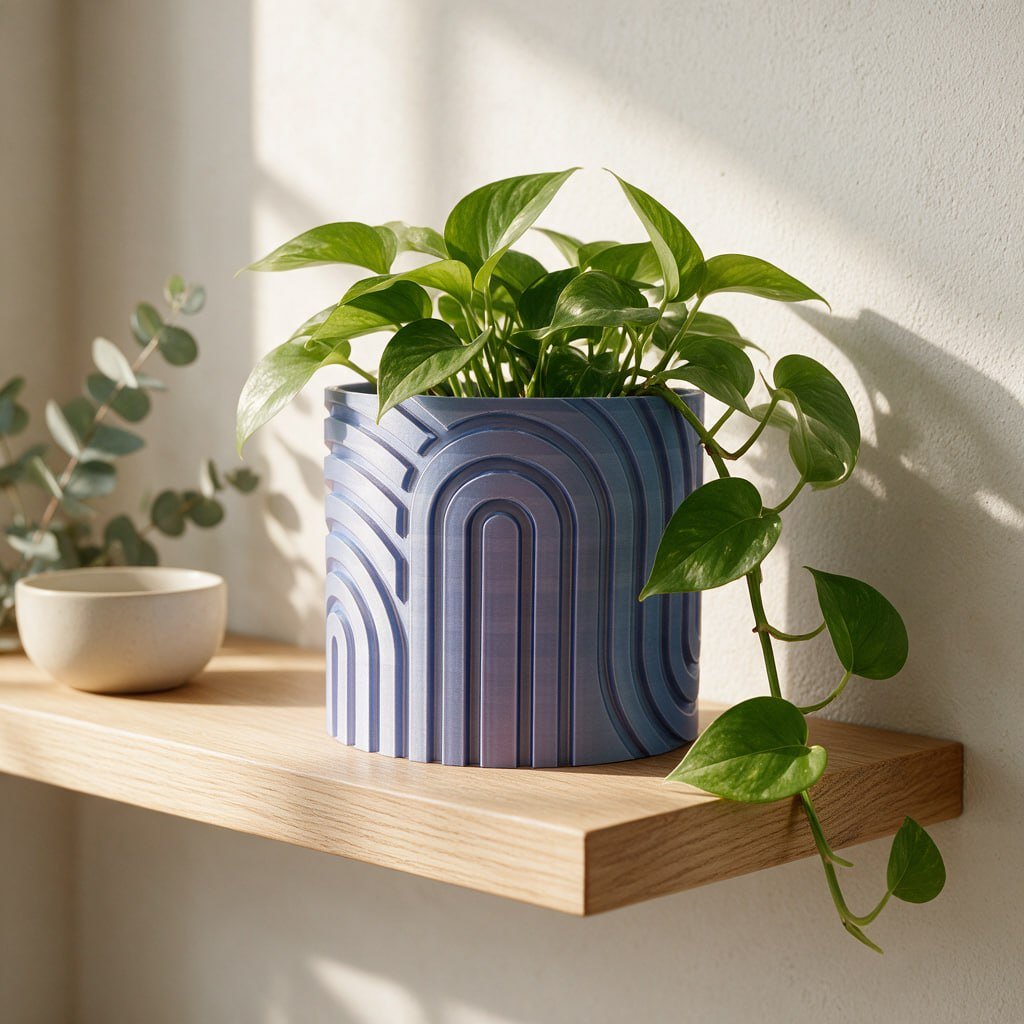
In Miami homes and condo interiors, a one-off planter can solve an awkward shelf, console, or narrow ledge where an off-the-shelf pot is either too wide or too short. For offices, a compact cylindrical holder can organize a desk plant while matching a company’s colors. Reception areas, retail displays, restaurants, hospitality venues, staged properties, and event installations can use larger decorative forms or coordinated sets to create a repeatable design cue.
For teams seeking 3D printing for interior designers Miami projects, the advantage is design control: exact dimensions, coordinated color palettes, repeatable motifs, and logo integration where suitable. 3D printing for architects Miami projects can also support a prototype before a specification is repeated across several rooms or locations. This is especially useful when the planter is intended to align with millwork, a branded display system, or a custom furniture layout.
A one-off statement piece can prioritize visual experimentation. A prototype should confirm liner fit, stability, drainage, and finish before approval. A repeat small batch requires additional attention to consistent color, surface quality, packaging, and the practical handling of each printed unit. Custom3Dmodel can plan those stages rather than treating a commercial décor batch as a collection of unrelated single prints.
Why Work With Custom3Dmodel for Custom Decorative Product 3D Printing?
Custom3Dmodel approaches decorative manufacturing as both a modeling and production problem. A compelling render is not enough if the pot will be difficult to print, unstable when loaded, impossible to clean, or too tight for its liner. Our team can help develop or refine the 3D model, optimize it for FDM, recommend PLA, PETG, or ABS according to intended use, and produce a prototype before a small production run.
Planter-specific quality checks include the clarity and symmetry of exterior patterns, rim condition, base flatness, wall continuity, and overall visual consistency. When a customer supplies a liner or nursery pot, its fit is checked against the approved dimensional plan. Where drainage holes are requested, their placement and openness are verified before fulfillment. Finish review focuses on the areas most visible in the installed orientation, not just the side facing the printer.
For portfolio or case-study publishing, Custom3Dmodel should identify only verified project details and outcomes—for example, an approved home planter, an office desk accessory, an interior designer’s specified prototype, or a commercial décor batch. Likewise, a named designer or production lead should be credited only when their role and additive-manufacturing experience have been confirmed.
Pricing and Lead-Time Factors for Custom Planter 3D Printing
Price depends on overall dimensions, print volume, wall thickness, pattern complexity, material, selected color, finish level, liner or waterproofing strategy, model readiness, quantity, and packaging requirements. A tall decorative cylindrical planter with deep grooves may use more machine time than a smooth pot of similar volume, while paint or smoothing adds hands-on finishing work.
A ready-to-print file can reduce modeling time, but every supplied file still needs an FDM manufacturability review. We check thin sections, unsupported geometry, internal clearance, base stability, and the orientation most likely to produce the desired surface. For quantities beyond one, a prototype is valuable for confirming appearance, stability, liner fit, drainage, and finish before committing to the batch.
Rather than relying on generic pricing or fixed turnaround claims, use the project brief to obtain an accurate estimate. You can start by getting an instant 3D printing quote for a file-based project, then provide additional planter requirements for a full production review.
Frequently Asked Questions About Custom 3D Printed Planters Miami
Can custom planters be 3D printed? Yes. Custom3Dmodel can produce one-off or small-batch custom 3D printed planters Miami customers design around a plant liner, room dimensions, selected color, and preferred geometric style. A sketch, inspiration image, measured nursery pot, logo, or existing model is enough to begin the review.
Can a planter include grooved or embossed geometric patterns? Yes, provided the details have sufficient depth, spacing, and transition radii for the selected FDM process. Recessed grooves, fluting, faceted panels, and raised logo elements are feasible, but very fine sharp features may need adjustment so they print cleanly and remain durable during handling and finishing.
Which material is best for an indoor plant pot? PLA is a strong option for indoor decorative cachepots where color and presentation are priorities. PETG is often preferred when better moisture resistance and durability are needed. ABS may suit specific performance or finishing requirements but needs more controlled production. For any material, use a liner, drainage plan, or appropriate sealant strategy when water exposure is expected.
Can you add drainage holes, custom colors, logos, and different sizes? Yes. Drainage holes, saucer compatibility, removable liner clearance, purple or turquoise color directions, other selected colors, sizing, and logo placement can all be included in the design brief. The final geometry is reviewed to ensure each feature works with wall thickness, print orientation, and the intended finish.
Do you accept one-off and small-batch orders? Yes. A single sculptural plant pot can be developed as a focal piece, while a prototype can establish the approved design for a repeat order. For small batches, material consistency, pattern quality, finishing expectations, and packaging should be established before production starts.
Request a Custom Planter Quote in Miami or for Nationwide Shipping
Request a custom planter quote from Custom3Dmodel for a one-off display piece, design prototype, or small-batch order. Include intended use, outer dimensions, liner or nursery-pot dimensions, color, geometric pattern or logo, quantity, drainage preference, material preference, finish expectation, deadline, and any file or inspiration image. You can also request a prototype estimate or book a Miami design consultation. Current pickup, local delivery, nationwide shipping, service-area coverage, and fulfillment timing will be confirmed with your project details.
Recommended Visuals, Alt Text, and Local Schema
Publish original photos of completed purple and turquoise planters rather than generic renders whenever possible. Include full-product images, pattern close-ups, interior and liner views, base and drainage details, and lifestyle images in a home, office, or commercial setting. These visuals help buyers assess scale, layer quality, and finish realism before they request a quote.
Implement LocalBusiness and Service schema only with verified Custom3Dmodel business information, including the current business name, address, telephone number, URL, hours, Miami location details, and confirmed service area. The Service markup may describe custom 3D printing, product design, interior décor prototyping, finishing, and small-batch manufacturing. Validate all schema before publishing, and add FAQPage markup only if its questions and answers exactly match the visible FAQ above.
Popular Custom 3D Printed Planter Styles for Miami Homes and Offices
| Planter Style | Best Setting | Recommended Size | Practical Design Feature | Best Material |
|---|---|---|---|---|
| Minimalist Cylindrical Pot | Modern apartments, desks, and reception areas | 4–6 in. diameter | Clean profile with optional drainage tray | PLA for indoor use |
| Geometric Pattern Planter | Accent shelves, living rooms, and creative offices | 5–8 in. diameter | Faceted, ribbed, or lattice-textured exterior | PLA or PETG |
| Self-Watering Herb Planter | Kitchen counters and indoor garden displays | 3–5 in. diameter | Reservoir section and wick opening for easier watering | PETG |
| Personalized Name or Logo Pot | Corporate gifts, events, and branded workspaces | 4–7 in. diameter | Raised or engraved names, messages, and business logos | PLA |
| Hanging Planter Holder | Indoor windows, balconies, and covered patios | 4–6 in. diameter | Integrated cord holes or wall-mount attachment points | PETG |
| Decorative Cachepot or Vase Holder | Artificial plants, floral arrangements, and artistic displays | 6–10 in. diameter | Watertight-look outer sleeve designed to hold a liner pot | PLA or ABS |
Resources & Useful Links
- 📚 Fused Deposition Modeling (FDM) — Wikipedia — Background on fused-filament fabrication, the extrusion-based 3D-printing process commonly used to produce custom decorative planters, pots, and geometric containers.
- 🏢 Prusa Knowledge Base — Materials Overview — Official material guidance covering common FDM filaments such as PLA, PETG, and ABS, useful when selecting a filament for indoor decorative planters and holders.
- 🏢 UltiMaker Materials — Official material resource for comparing filament properties and intended applications, including stiffness, durability, printability, and finish considerations.
- ⚙️ 3MF Consortium — 3D Manufacturing Format Specification — Official reference for the 3MF file format, which can preserve model, color, material, and build information when sharing custom planter designs for 3D printing.